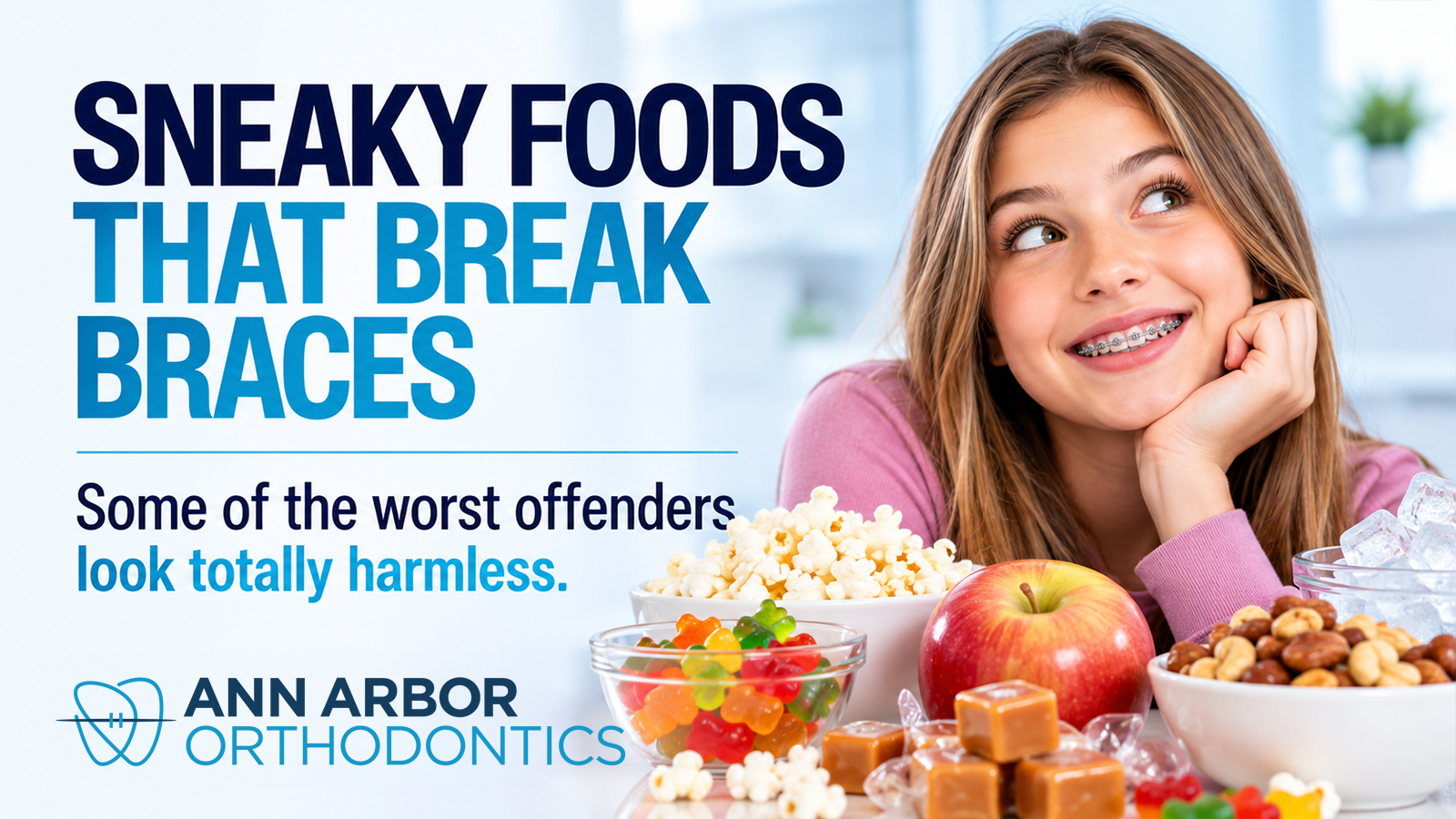
Ask any parent of a child in braces about a surprise repair visit, and there's a good chance the story starts with a snack that seemed perfectly reasonable. A crunchy granola bar. Beef jerky from the gas station. A big bite of an apple. Nobody thinks of these as risky, which is exactly why they cause so much trouble.
At Ann Arbor Orthodontics, we'd much rather help families avoid broken brackets than fix them. Most of the time, the solution isn't giving up favorite foods. It's knowing which ones need a little extra care and why.
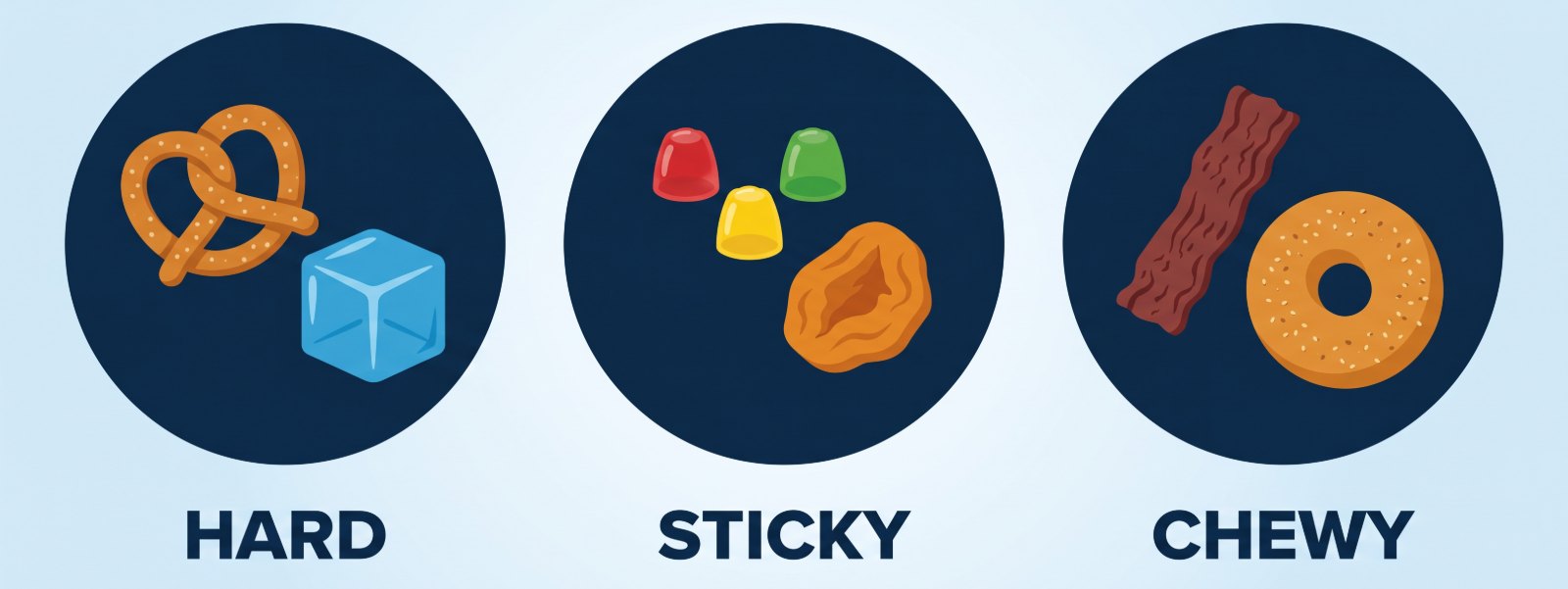
Each bracket is bonded to the tooth firmly enough to handle everyday chewing, but three kinds of force can overwhelm it. A hard food can crack the bond with one sharp bite. A sticky food can grab the bracket and pull it loose as the mouth opens. And biting directly into a firm food with the front teeth acts like a lever on those brackets.
That's why the American Association of Orthodontists' guide to eating with braces includes some surprisingly wholesome foods, such as raw crunchy produce, bagels, crispy pizza crust, and tough meats. In most cases, the problem is how the food is eaten, not the food itself.

Plenty of nutritious favorites only become a problem when you bite straight into them. A few quick changes in the kitchen keep them on the table:
Chewing with the back teeth instead of the front teeth also makes a real difference, especially in the first few weeks of treatment.
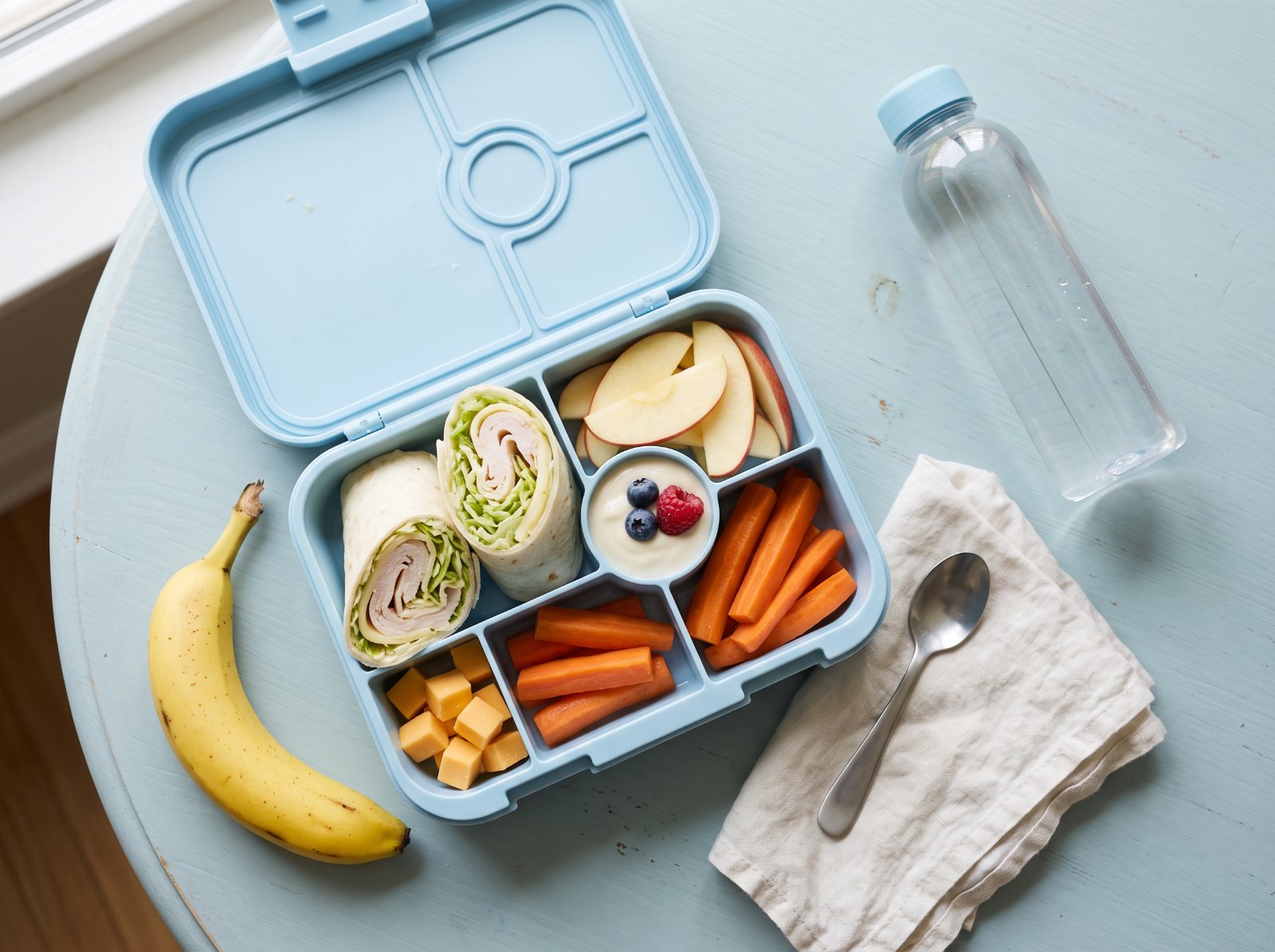
School lunches and sports snacks hide a surprising number of bracket breakers. Crunchy granola bars, trail mix, hard pretzels, and hard taco shells are harder than they look. Beef jerky and other tough meats require a lot of tugging and grinding. Dried fruit, fruit leather, and fruit snacks stick to brackets much like caramel.
Gummy vitamins are an easy one to overlook because they're part of a healthy routine. Talk with your child's pediatrician or pharmacist about switching to a chewable or swallowable vitamin while the braces are on.
Some damage has nothing to do with meals. Chewing the ice at the bottom of a cup, cracking sunflower seeds, gnawing on pencils or water bottle caps, and biting into frozen treats can all knock a bracket loose. Popcorn is tricky even when every kernel pops, because the thin hulls slip between the braces and gums and can irritate the tissue.
Sugary and acidic drinks, such as sports drinks, soda, and sweet tea, won't break a bracket, but they can leave a lasting mark. When sugar and acid sit around the brackets, they can weaken the enamel and leave chalky white spots that show up once the braces come off. According to a published review of white spot lesions during orthodontic treatment, studies have found them in roughly 30 to 70 percent of patients, and poor oral hygiene and longer treatment are among the biggest risk factors. Water is the best choice during practices and games, and a quick rinse after a sugary drink helps.
A loose bracket usually isn't painful, but it does need attention, because it's no longer guiding that tooth. Don't try to remove it. Use orthodontic wax over anything sharp and call our office to set up a repair. Every broken bracket means an extra visit, and repeated breakages can lengthen treatment, so a few small habits pay off.
You'll find a full list of braces-friendly meals and snacks on our What Can I Eat With Braces? page, and brushing and flossing tips on How to Care for Your Braces. If you're wondering whether your child is ready for treatment, schedule a complimentary orthodontic evaluation with our Ann Arbor team.
