"How long do I have to wear this thing?" is one of the first questions we hear when braces come off, usually with a hopeful look. It's a fair question. After all the work of treatment, nobody wants another long commitment. The good news is that wearing a retainer gets easier and less frequent over time, and it's the simplest way to make sure your results last.
At Ann Arbor Orthodontics, we think of retention as the final chapter of treatment, not an afterthought. Here's what a typical retainer timeline looks like, why it's needed, and how to tell if your teeth are starting to move.
Straight teeth aren't automatically stable teeth. The bone and soft tissue around each tooth need time to adjust to its new position, and until they do, the teeth tend to drift back toward where they started. The American Association of Orthodontists explains that retainers serve two purposes: giving the surrounding bone and tissue time to settle, and keeping the teeth where treatment placed them.
Each tooth sits in a socket of bone and is connected to it by a cushion of small fibers. Orthodontic treatment works by gently stretching and reshaping those fibers and the bone around them. Once treatment ends, the fibers slowly reorganize, but some of the fibers in the gums hold a kind of memory of the old position and keep tugging for many months. On top of that, everyone's teeth shift a little over a lifetime, with or without braces.
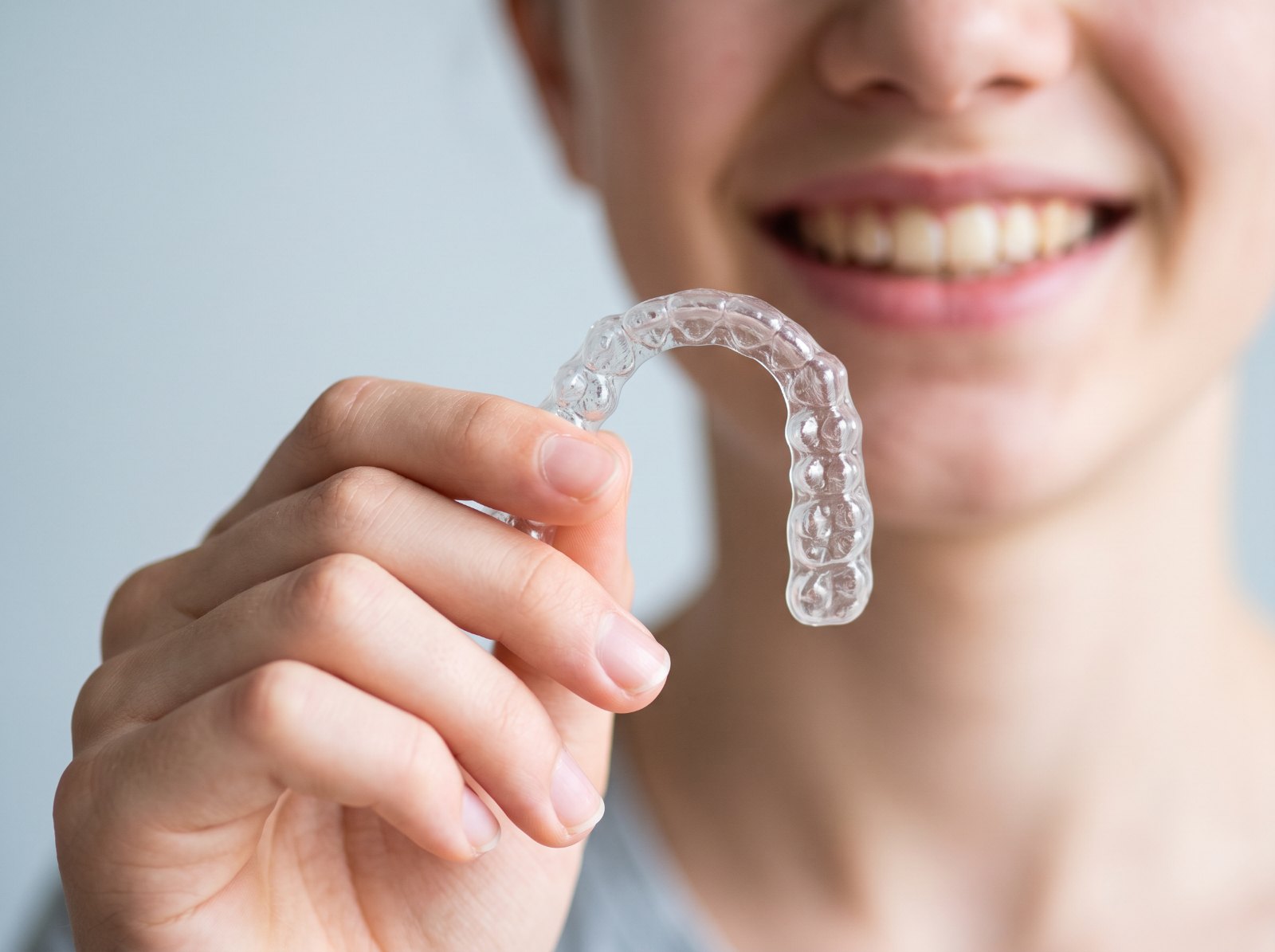
Every patient's plan is a little different, but most follow a similar pattern:
Our retention phase lasts at least 24 months, with check-ins along the way so we can adjust how often you wear your retainer. Our Retainers After Braces page covers the details, and our article on how digital orthodontics works explains how scans and 3D printing make same-day retainers possible.
Clear removable retainers are the most common choice. They're nearly invisible, comfortable, and easy to keep clean. Some patients also benefit from a bonded retainer, a thin wire attached behind the six front teeth that works around the clock. Bonded retainers are a great option for teeth that are especially prone to shifting. We recommend keeping one for at least a year, and it can stay in place for up to 10 years. They do require careful flossing, and a floss threader or interproximal brush helps a lot.
Studies comparing the two have found that neither is clearly better for everyone. Cochrane's review of orthodontic retention research reported that removable retainers worn as instructed held teeth about as well as fixed retainers, with differences mainly in gum health and how often each type needed repair. We'll recommend the option that fits your teeth and your routine.
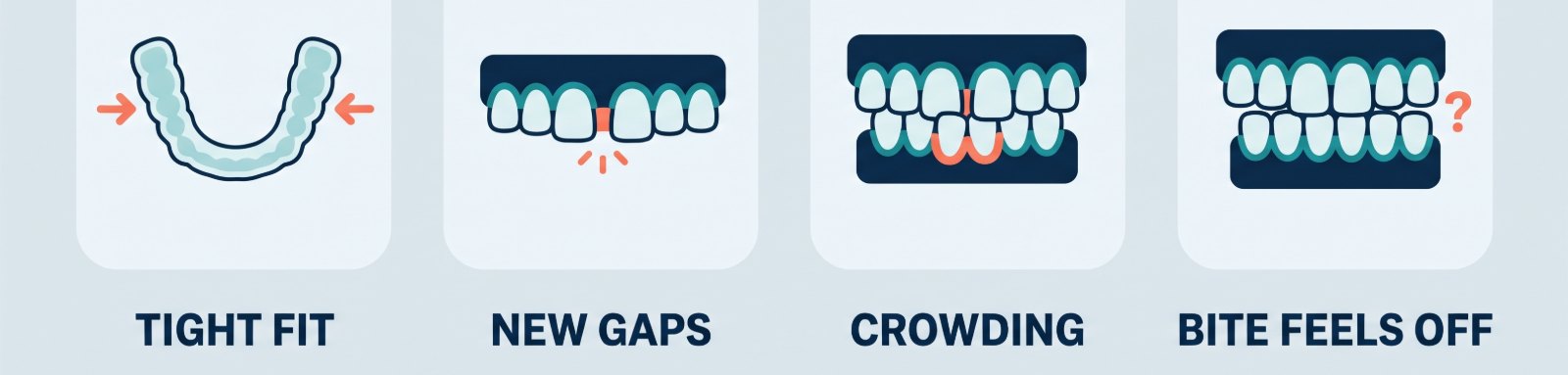
Teeth rarely move all at once. Watch for a retainer that feels tighter than usual, small new gaps between teeth, lower front teeth starting to overlap, or a bite that feels slightly different. Catching these changes early makes them much easier to fix, sometimes simply by wearing the retainer more consistently for a while.
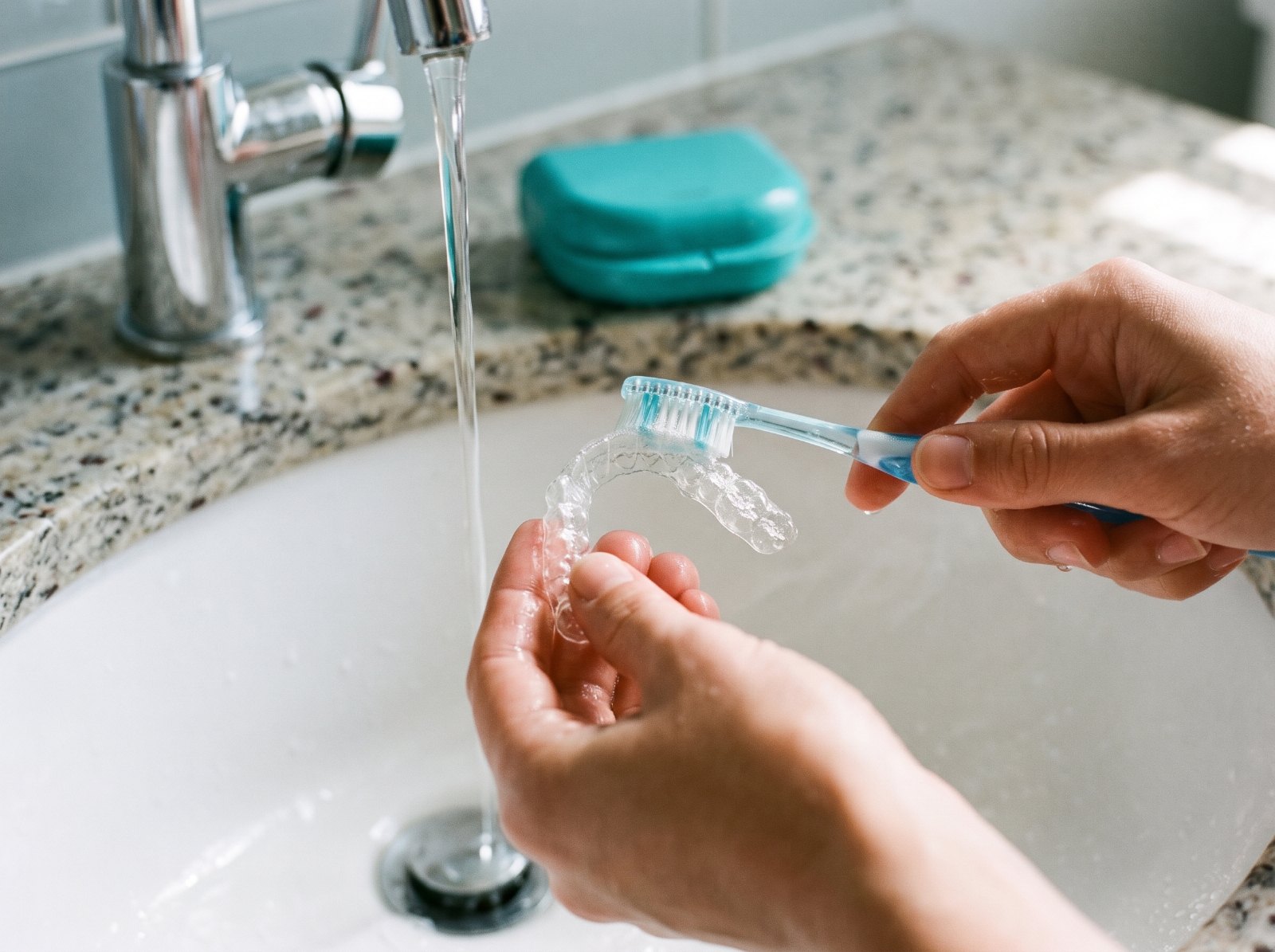
Most retainer problems come from everyday accidents, like wrapping a retainer in a napkin at lunch, leaving it within reach of the family dog, or letting it warp in a hot car. Keep it in its case, clean it gently with cool water and a soft brush or a cleaner made for retainers, never very hot water, and bring it to your check-ups. For peace of mind, our Retainer Protection Program covers replacement retainers for five years with a one-time fee and a small co-pay per retainer, and it can be included in your treatment financing. Our retainer FAQ page has the details.
If you're considering treatment and want to understand the full journey, from first visit to retainers, schedule a complimentary orthodontic evaluation with our Ann Arbor team.
